Recliner Repair

Leather Recliner Repair in Chicago

We repair leather recliners with worn seats, fading, sagging cushions, split seams, and mechanism-related issues that affect comfort or function. We work on manual and power recliners, including seat cushions, arm areas, headrests, footrests, and other high-use moving sections. Mobile service across Chicagoland and Northwest Indiana. Send photos for a quote and we’ll review the best solution for your piece.

Mobile Service • Chicago & Northwest Indiana • Leather & Vinyl
Before & After

Before & After Recliner Repair Results
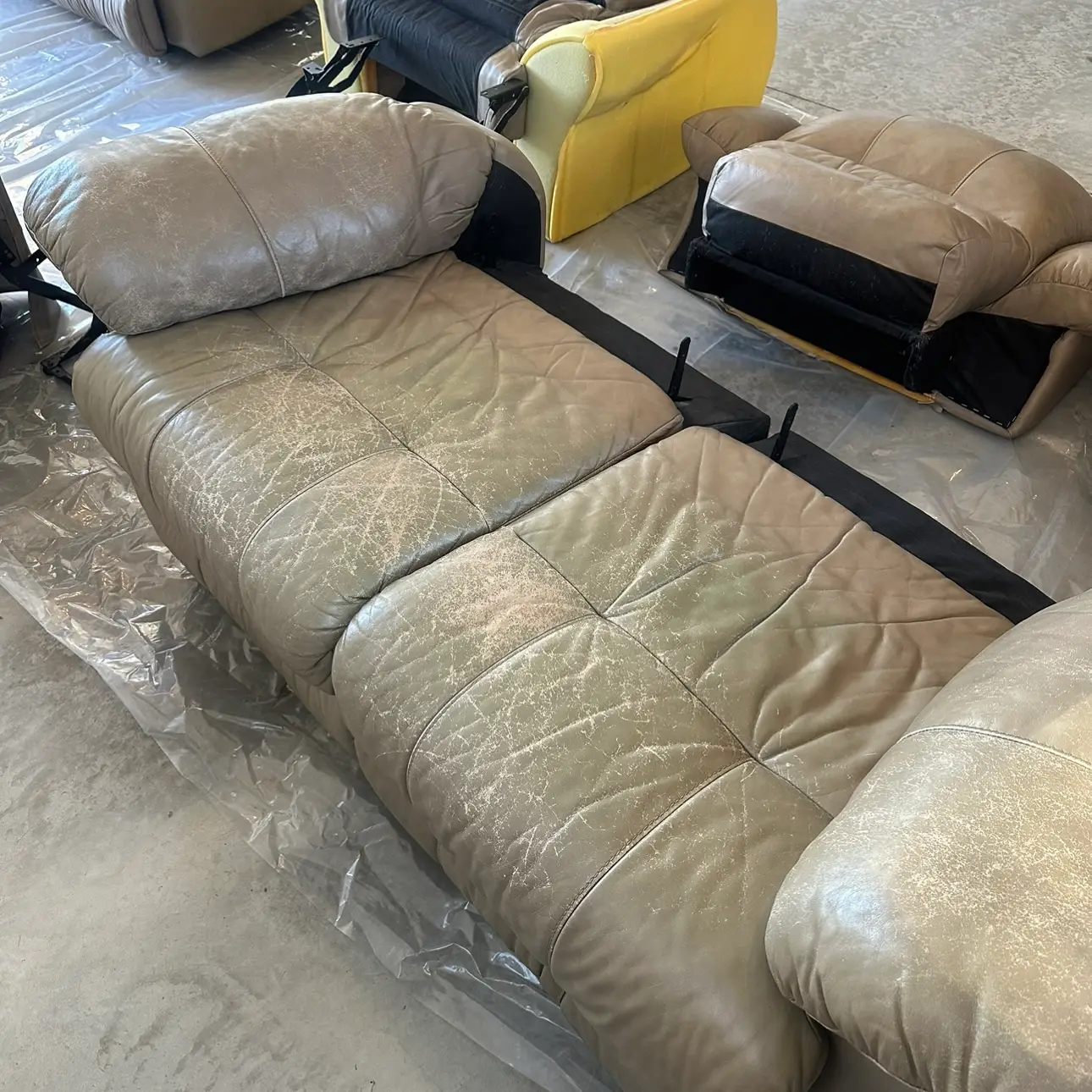
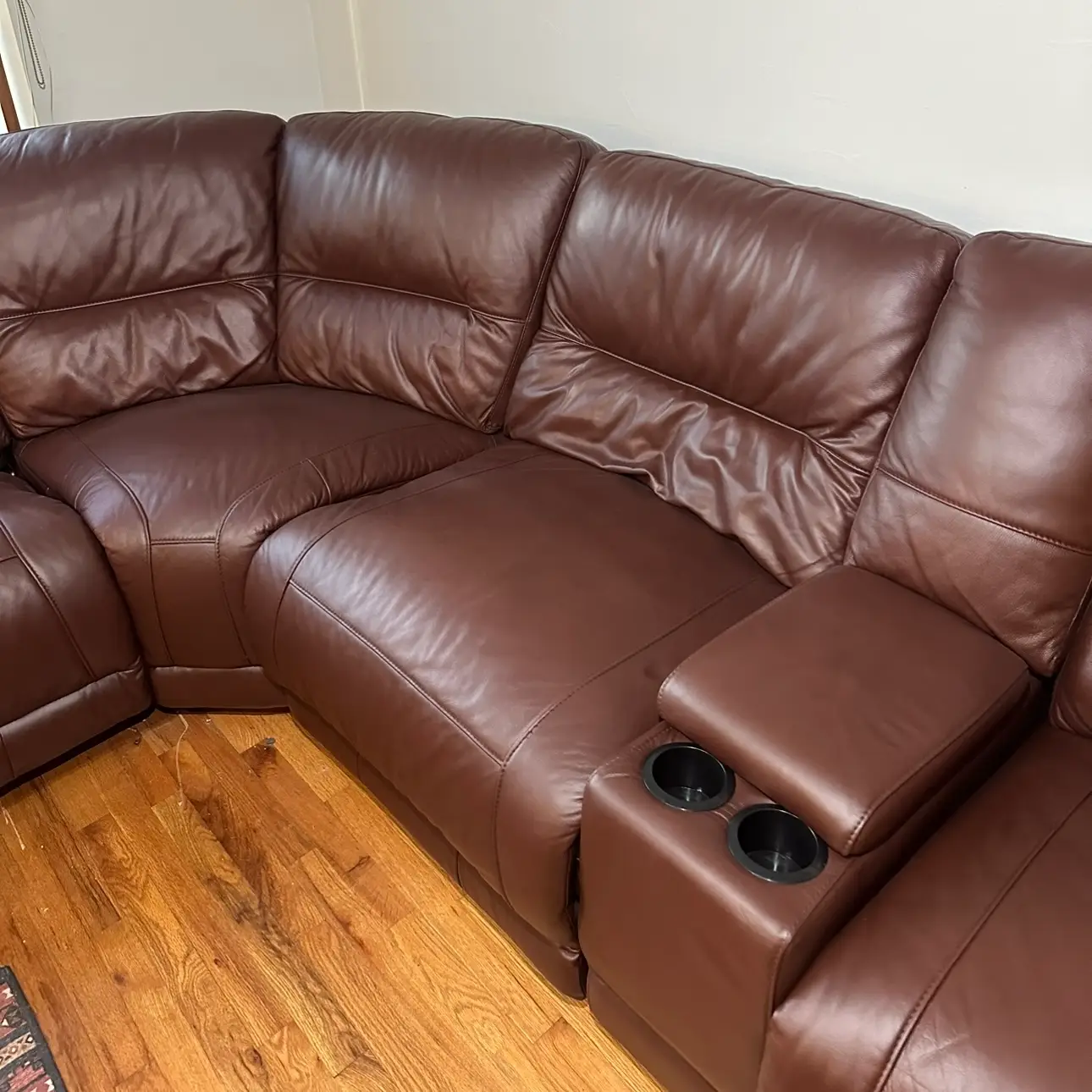
Examples of leather recliners we’ve repaired, restored, or improved through surface correction, color work, cushion support recovery, and function-related repair.

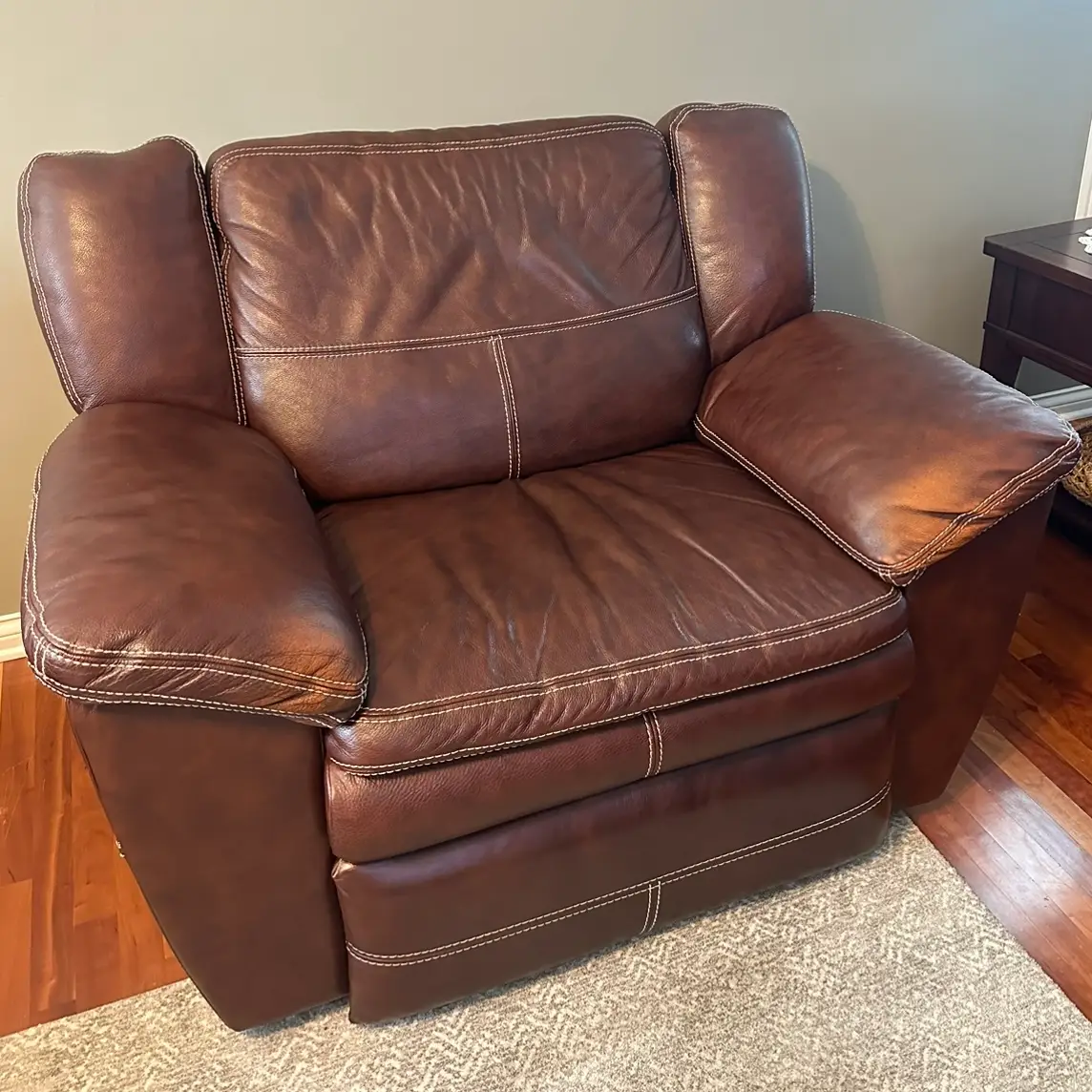
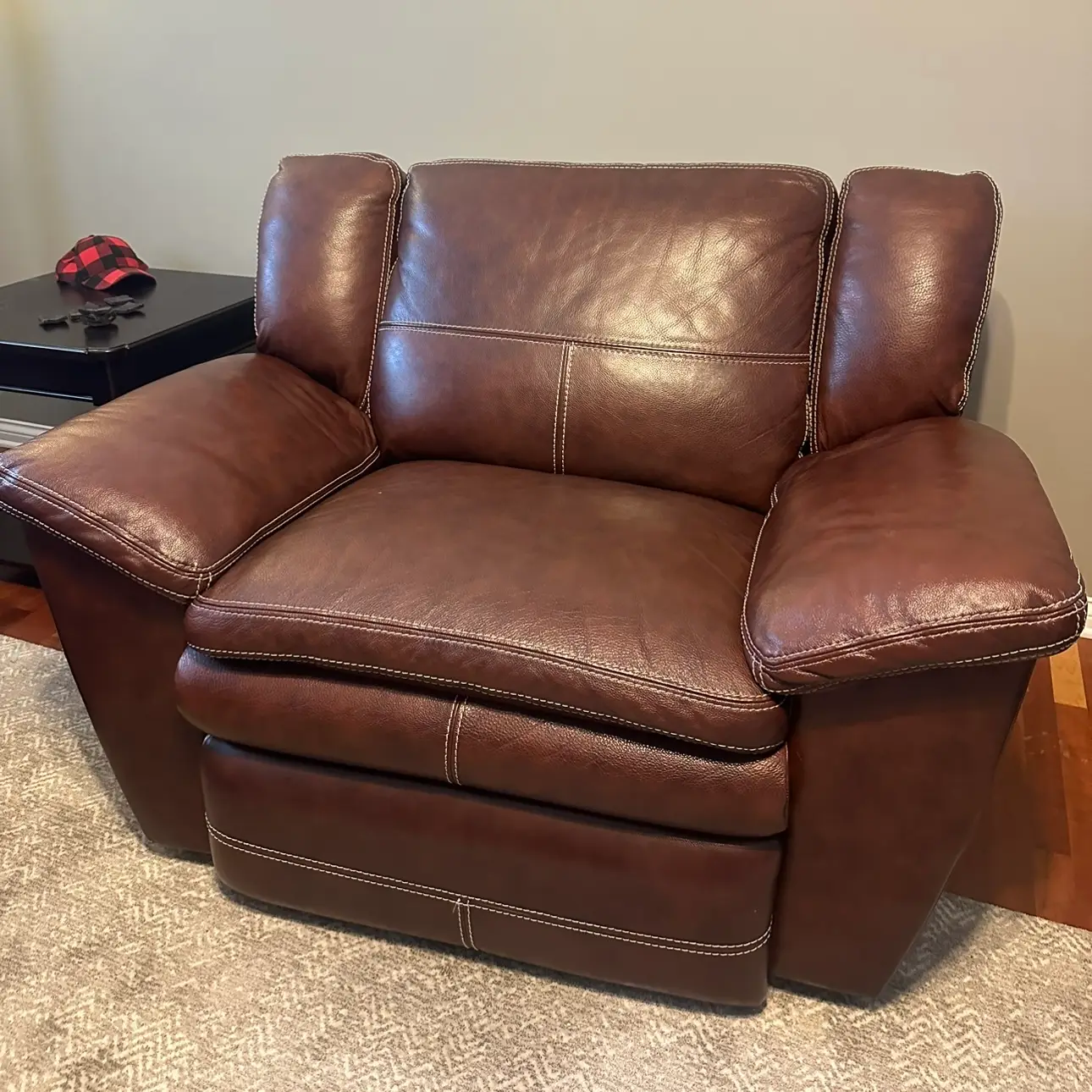
Recliner repair with motor replacement and full restoration
The recliner was repaired with motor replacement and other function-related parts, then fully restored through cleaning, surface correction, and refinishing.
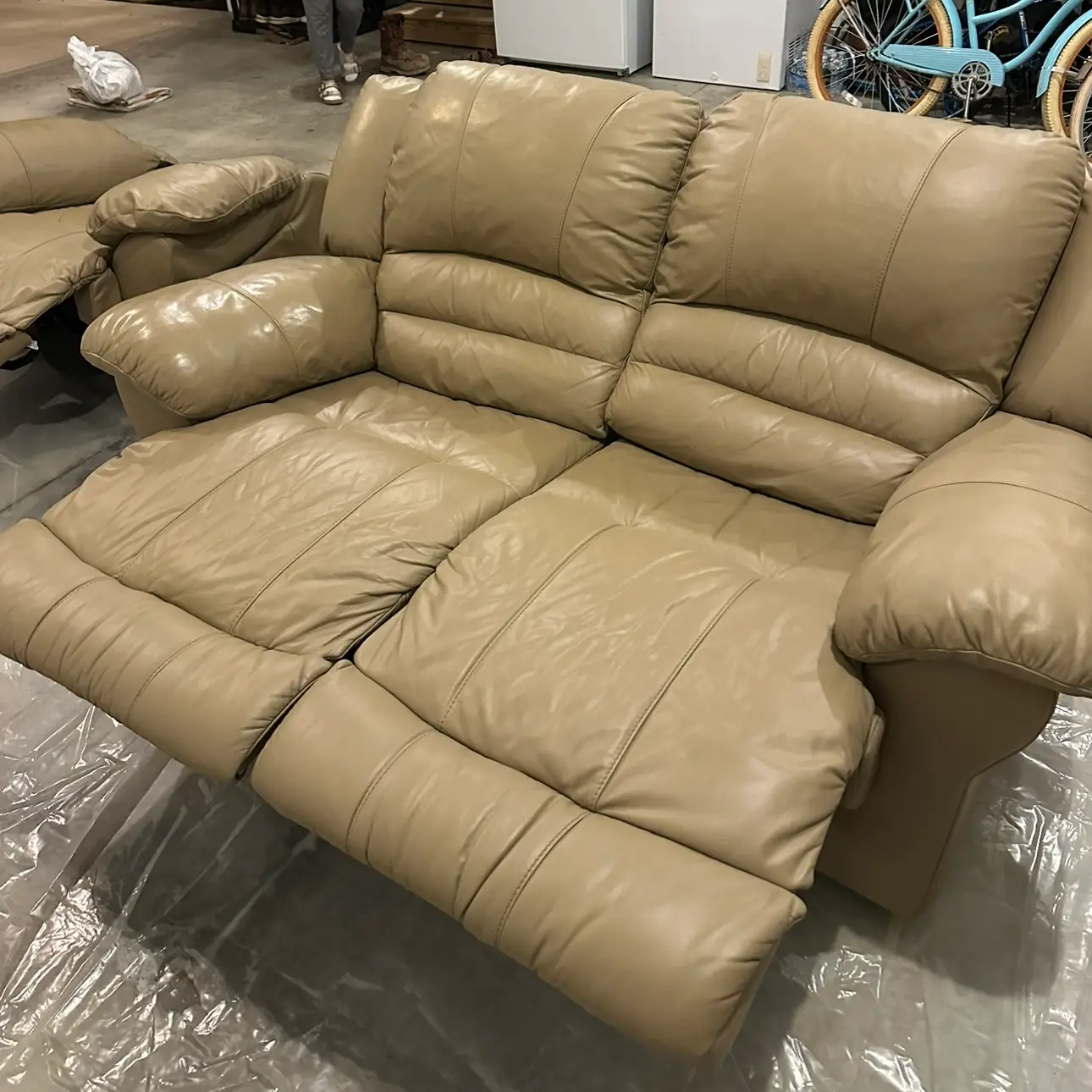
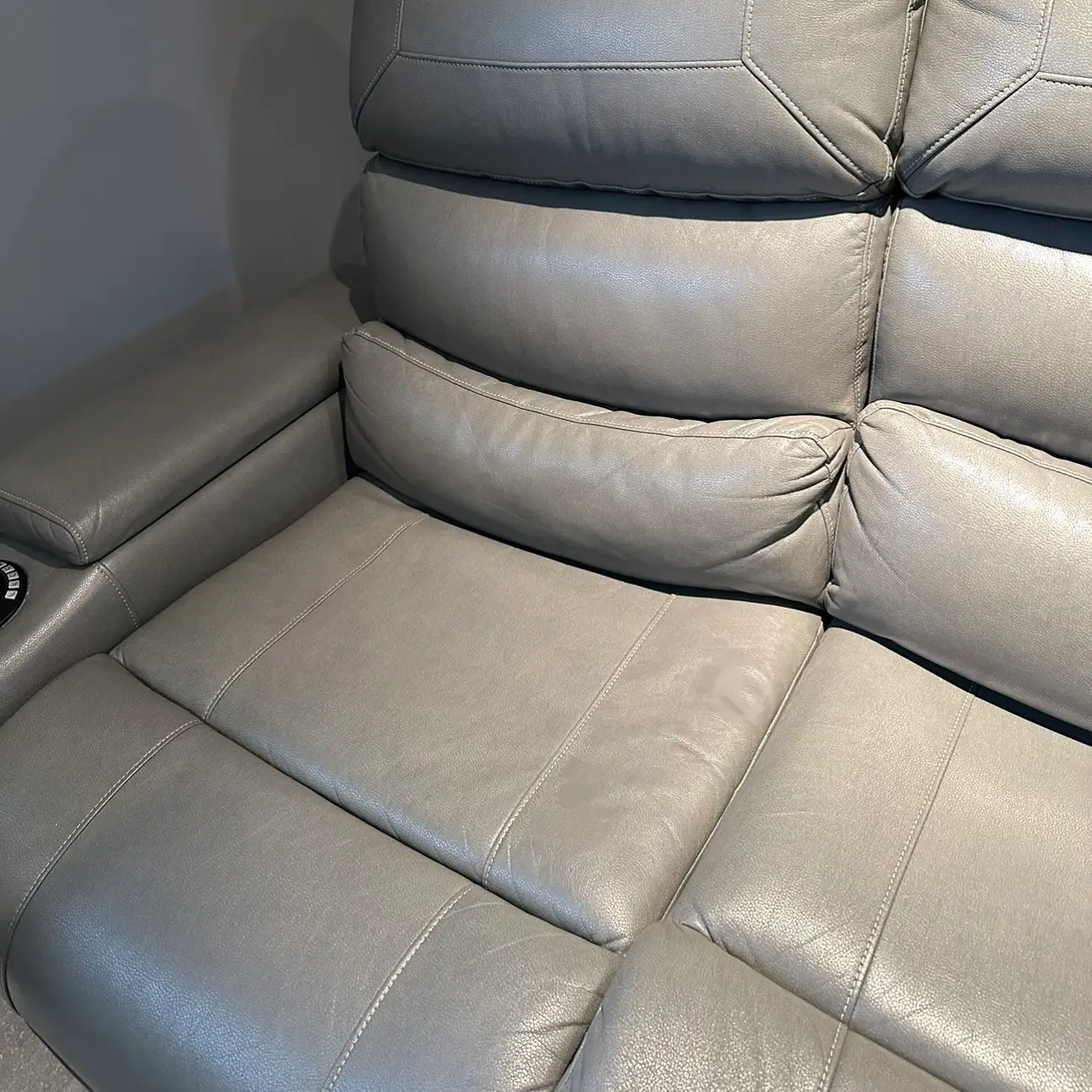
Recliner restoration with armrest color repair and seat refilling
The faded armrests were locally restored and refinished, while the seat was refilled to improve both comfort and overall appearance.
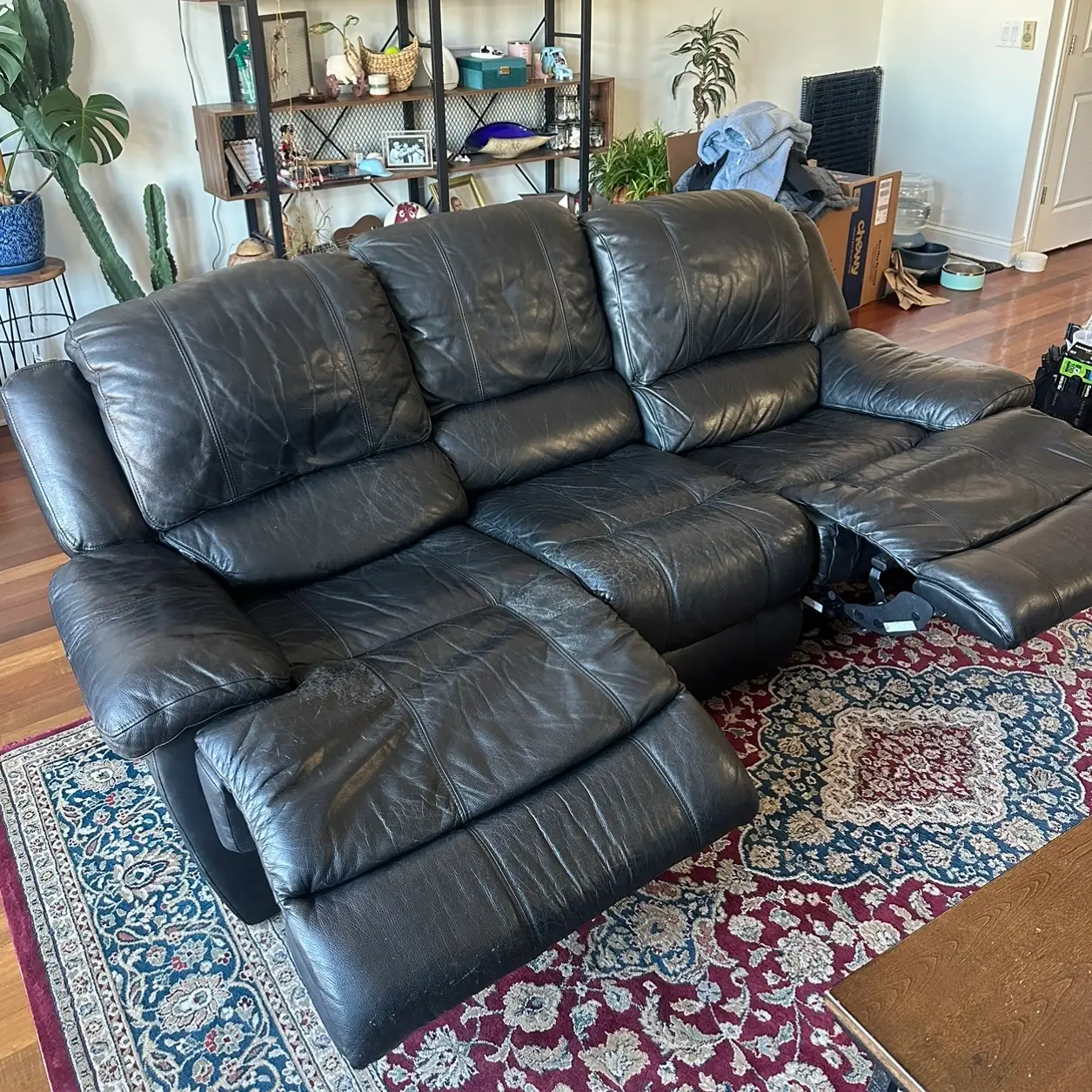
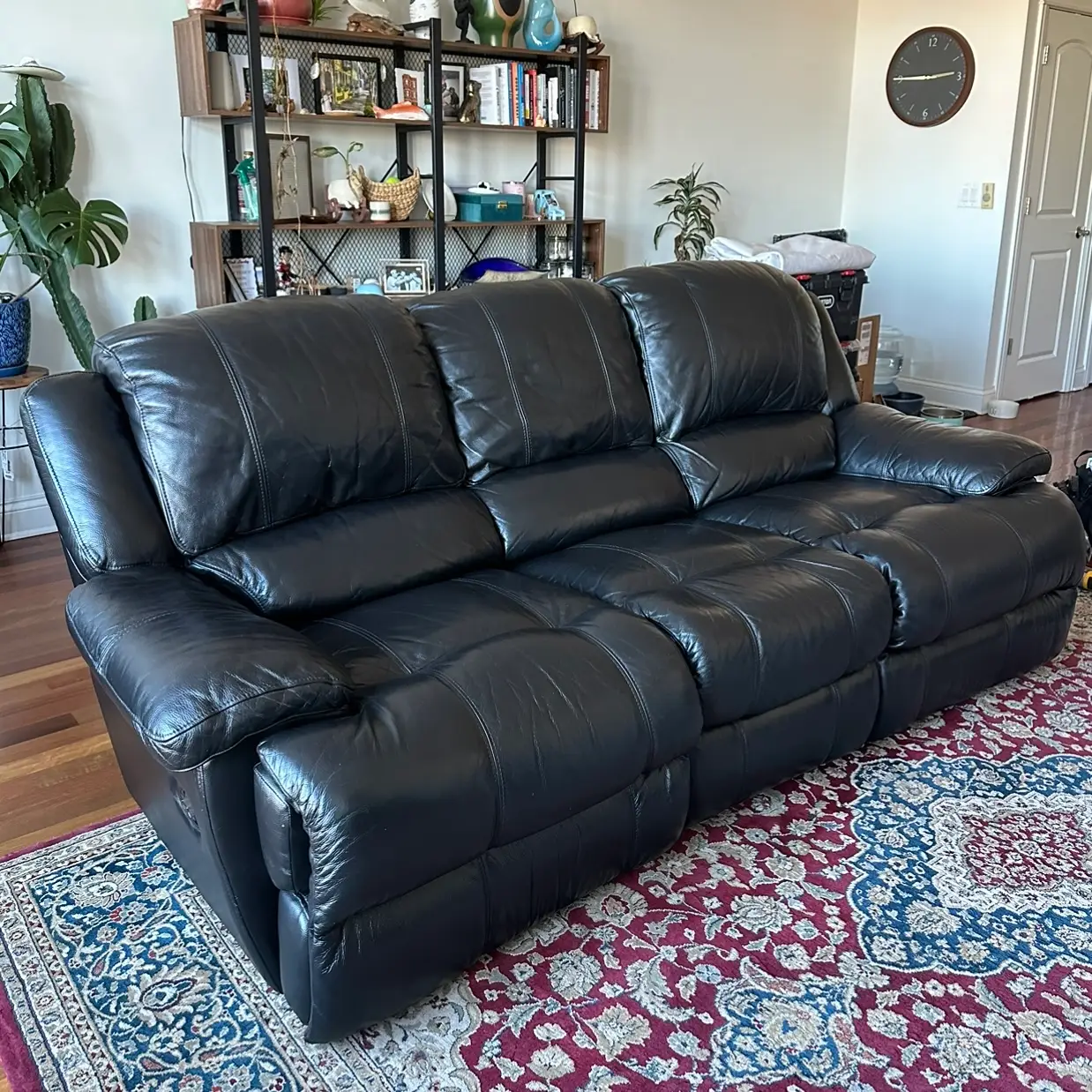
Black recliner restoration with power button replacement
The recliner was restored and refinished, and the broken control button was replaced to restore proper function of the reclining system.
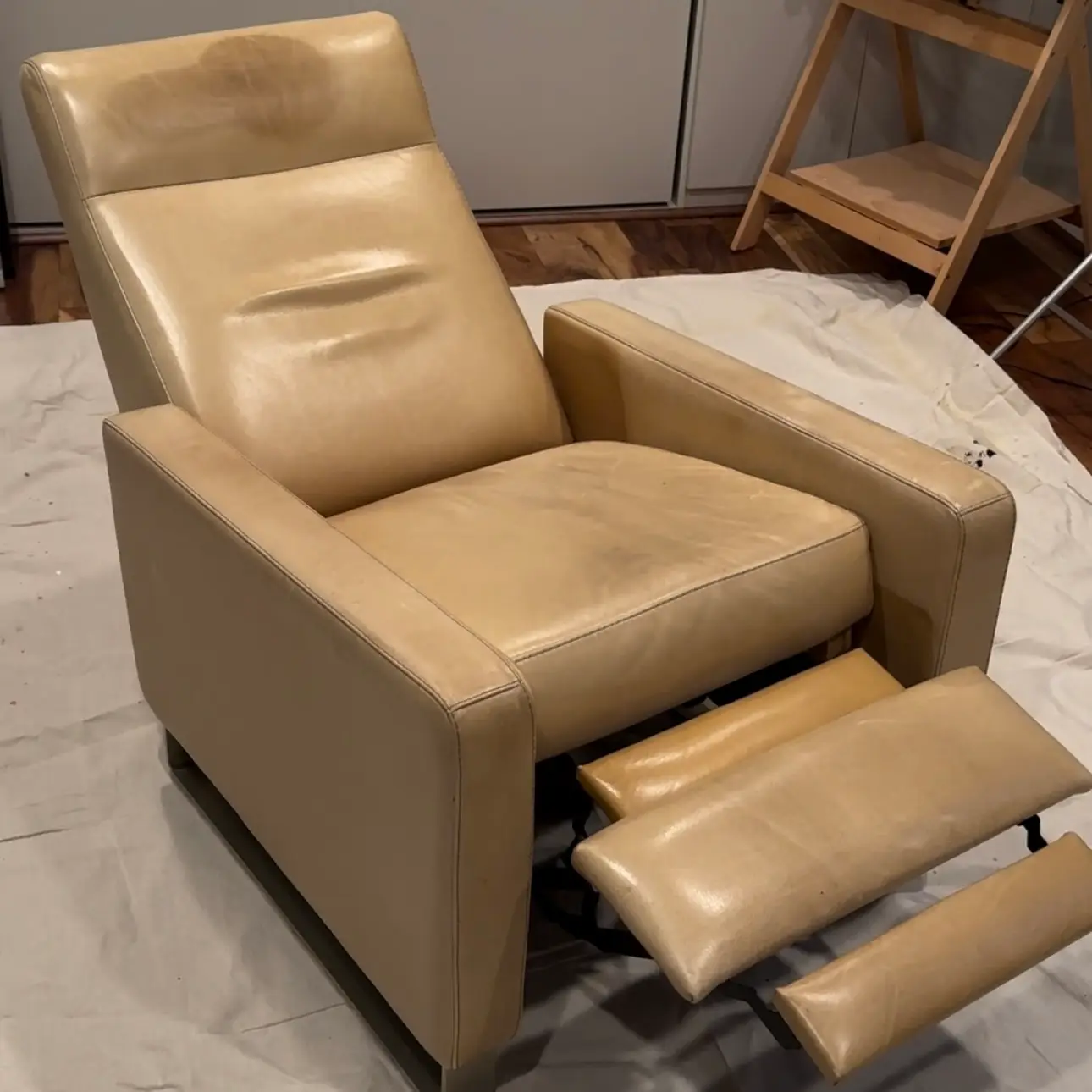
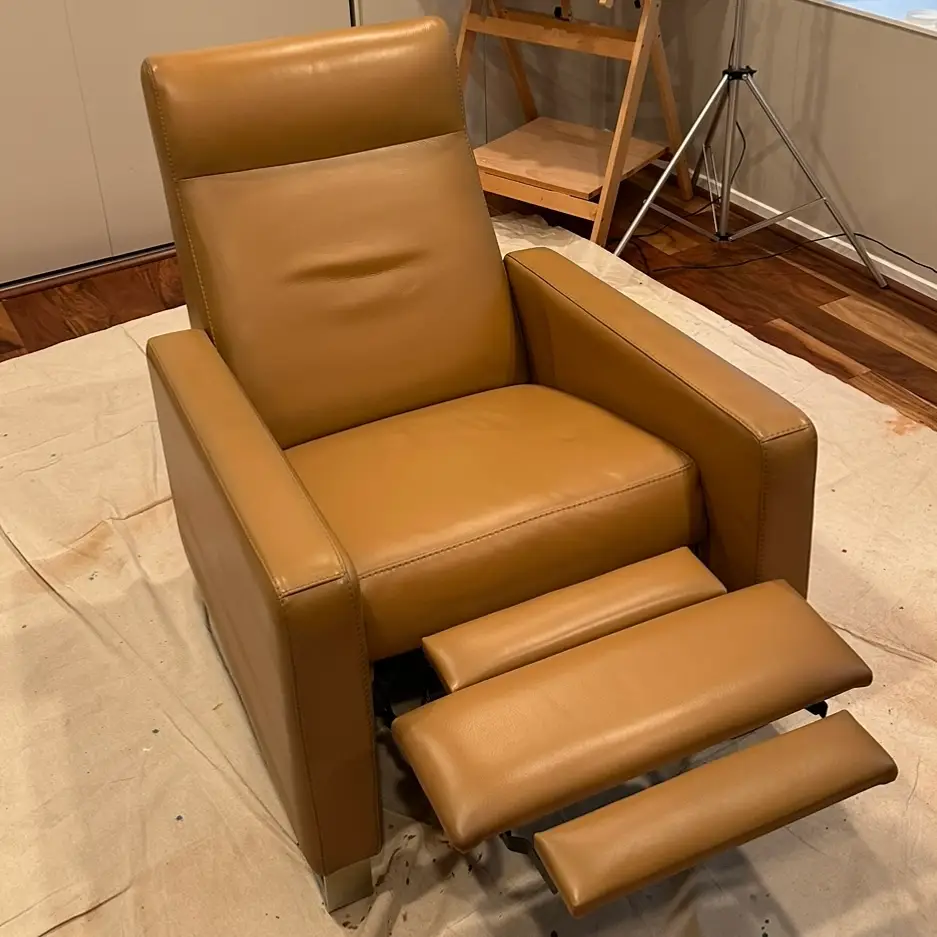
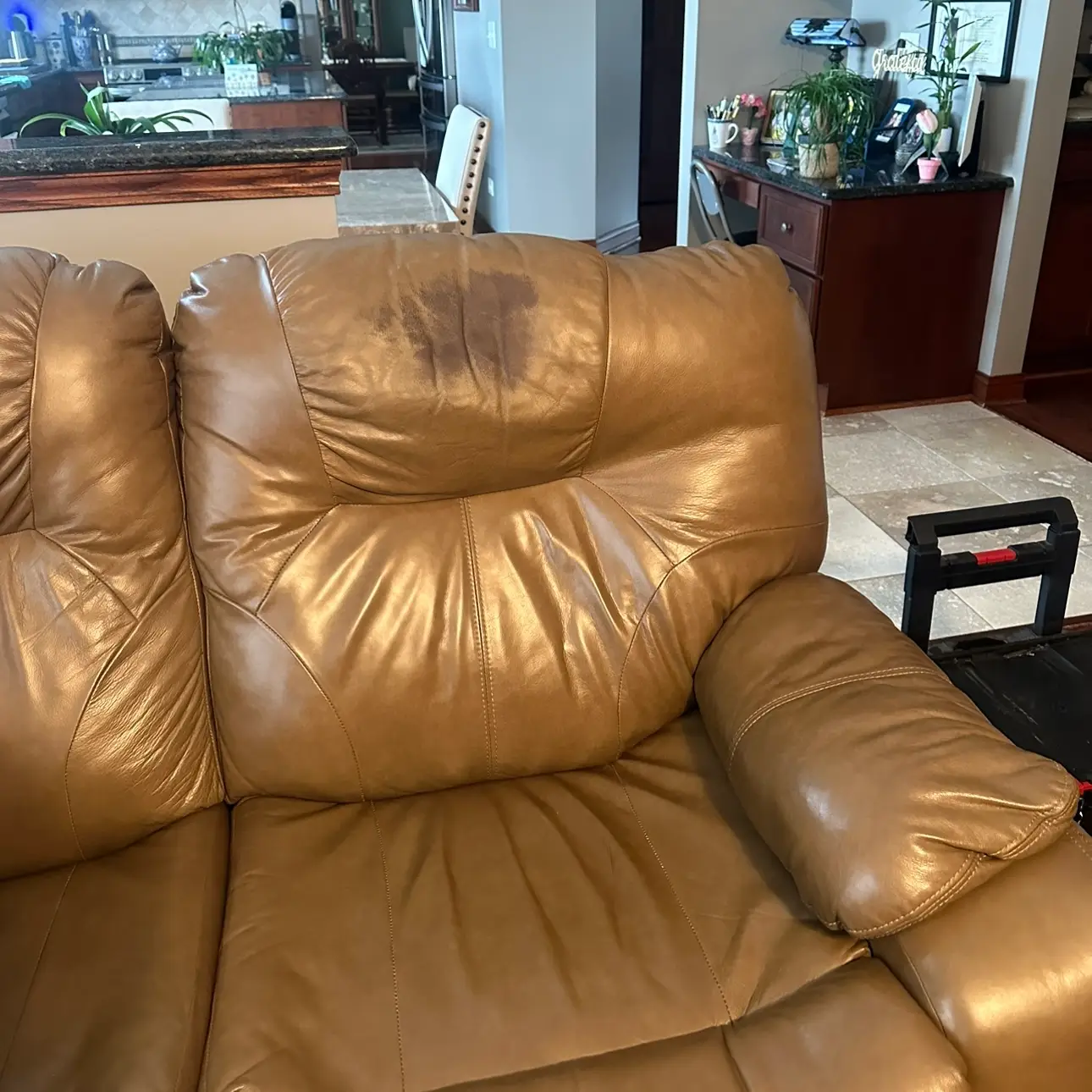
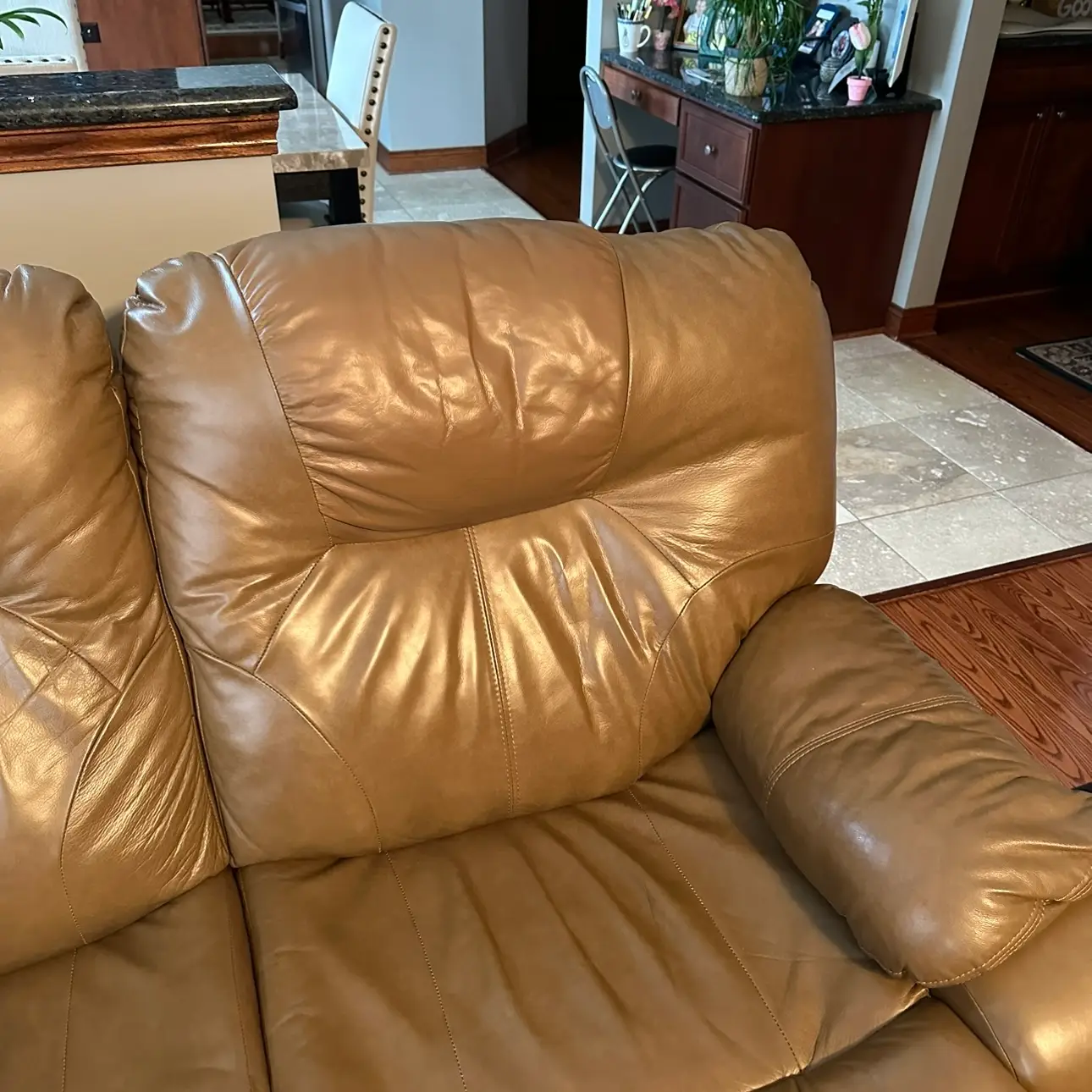
Recliner restoration with body oil removal on headrest
Built-up body oil was cleaned out from the headrest area as much as possible, then the surface was restored and refinished for a cleaner, more even result.
What We Work On

Recliner Areas We Commonly Work On

We work on leather recliners where the structure is still worth saving and the main problems affect seating comfort, surface appearance, or the function of moving sections.

01 Seat cushions, sitting zones, and sagging support areas
02 Headrests, back panels, and upper back contact areas
03 Armrests, side panels, and pressure-point edges
04 Footrests, leg sections, and other moving contact surfaces
05 Manual and power recliners with worn or damaged sections
Common Problems

Problems We Commonly See on Recliners

Recliner wear often affects both appearance and function, especially in high-use areas exposed to weight, motion, friction, and repeated opening and closing.

01 Tears and holes, punctures, scratches, and worn seating surfaces
02 Color fading and uneven finish on seats, backs, headrests, and arms
03 Sagging cushions and flattened seating that affect comfort and support
04 Split seams along seat edges, footrests, backs, and stress points
05 Body oil buildup and darkened areas on headrests and armrests
06 Broken reclining function, damaged hardware, or mechanism-related wear
How Projects Are Built

What a Recliner Repair Project May Include

Recliner repair projects often combine more than one step. Depending on the condition of the piece, the right route may involve surface repair, color restoration, cushion refilling, seam correction, mechanism-related repair, or re-upholstery when broader reconstruction makes more sense.

Step One

Surface and Finish Correction

Used when the main issue is visible wear, scratches, cracks, fading, punctures, or localized damage on the seat, arms, headrest, or footrest.

Step Two

Seat and Cushion Support Work

Used when the recliner has lost comfort or support and the seating area needs more than cosmetic improvement.

Step Three

Function and Broader Restoration

Used when the piece needs mechanism-related correction, several repairs together, or a larger upholstery route for a stronger long-term result.

Related Services

Services Commonly Used in Recliner Repair Projects

Recliner repair often combines the right service steps, depending on whether the issue is surface wear, fading, sagging seating, mechanism failure, or a broader upholstery need.

Repair vs Re-Upholstery

When Recliner Repair Makes Sense — and When It May Not

Not every recliner needs the same level of work. Some are good candidates for localized correction, while others need a broader upholstery or rebuilding route.

Good Repair Candidate

Repair Usually Makes Sense When

01 The damage is limited to the seat, arms, headrest, footrest, or a few specific sections
02 The recliner frame and overall structure are still solid
03 The main issue is surface wear, fading, seam damage, sagging support, or a repairable mechanism problem
04 The piece is worth saving for comfort, quality, or replacement cost reasons
Larger Route

Re-Upholstery May Be Better When

01 The material is failing across multiple moving sections or large recliner panels
02 Peeling, breakdown, or weakness is too widespread for localized correction
03 The piece needs deeper reconstruction involving upholstery, support, and function together
04 A more complete upholstery route will give a cleaner and stronger long-term result
More Examples

Recliner Problems We Commonly Help Correct

Examples of recliner issues that may involve surface repair, color correction, cushion recovery, function repair, or a broader upholstery solution depending on the condition of the piece.

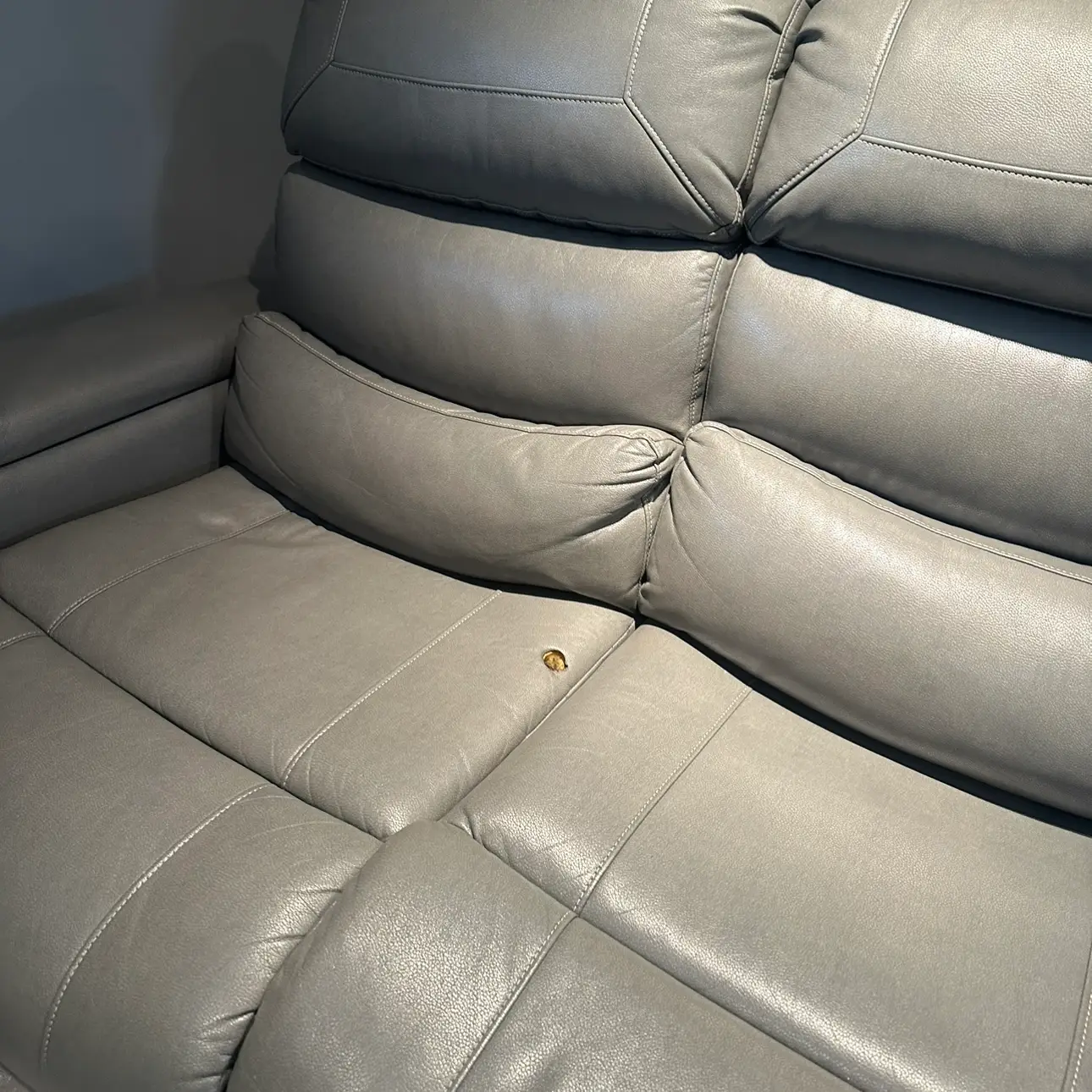
Burn hole repair on recliner seat
The burn hole in the recliner seat was repaired, rebuilt, and refinished to improve the surface and restore a cleaner overall appearance.
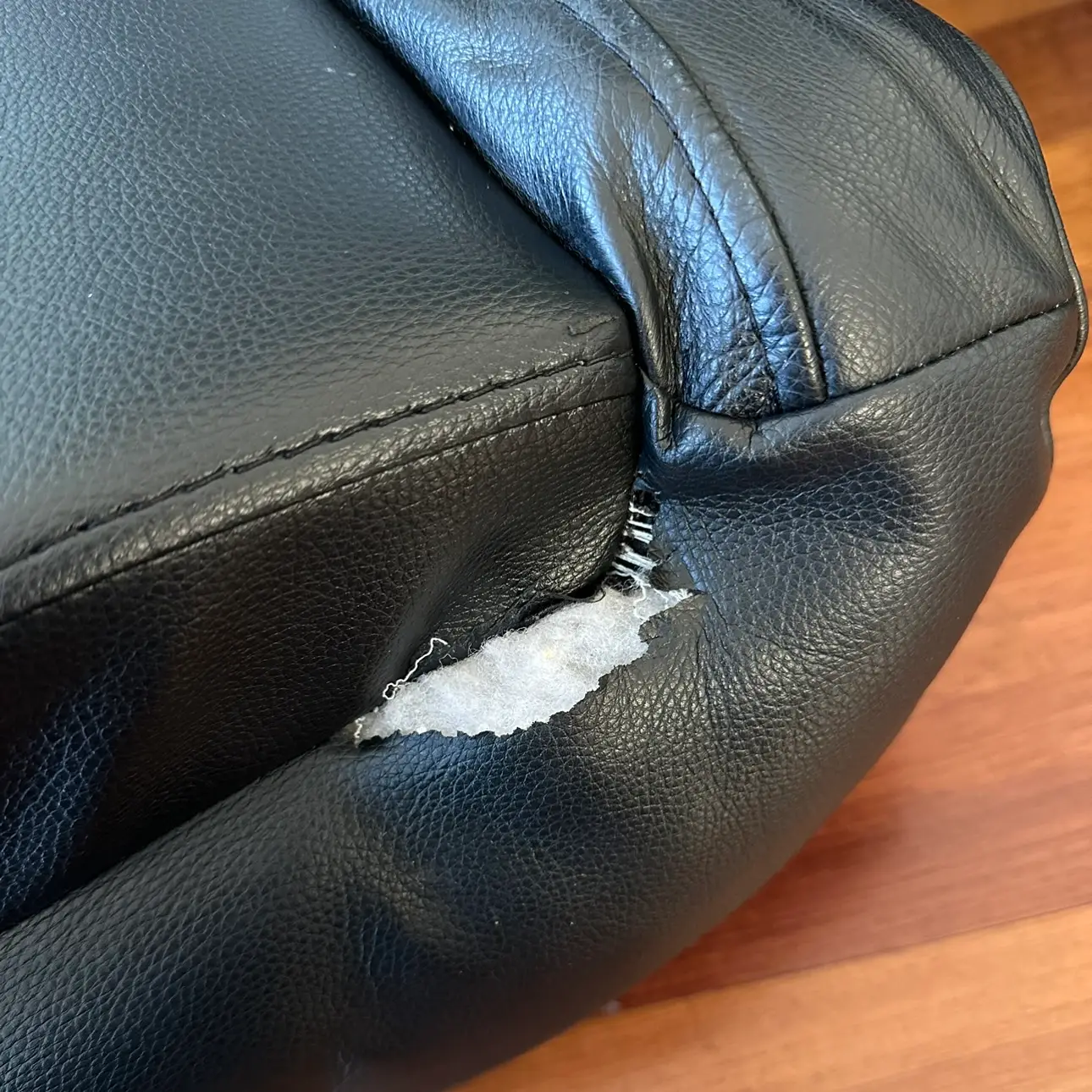
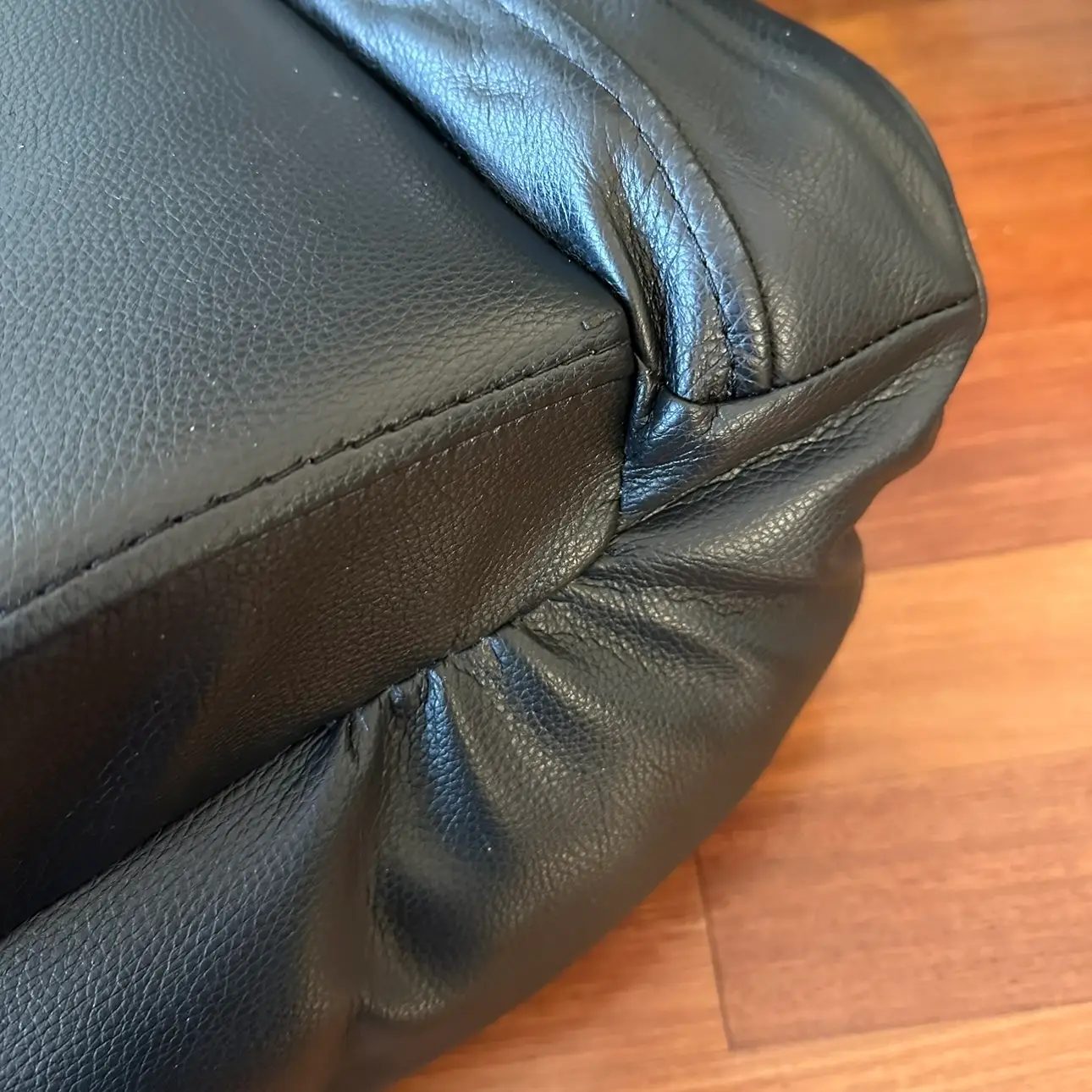
Split seam repair on recliner back
The torn back seam was carefully repaired and restitched so the recliner looked cleaner and closer to its original factory seam.
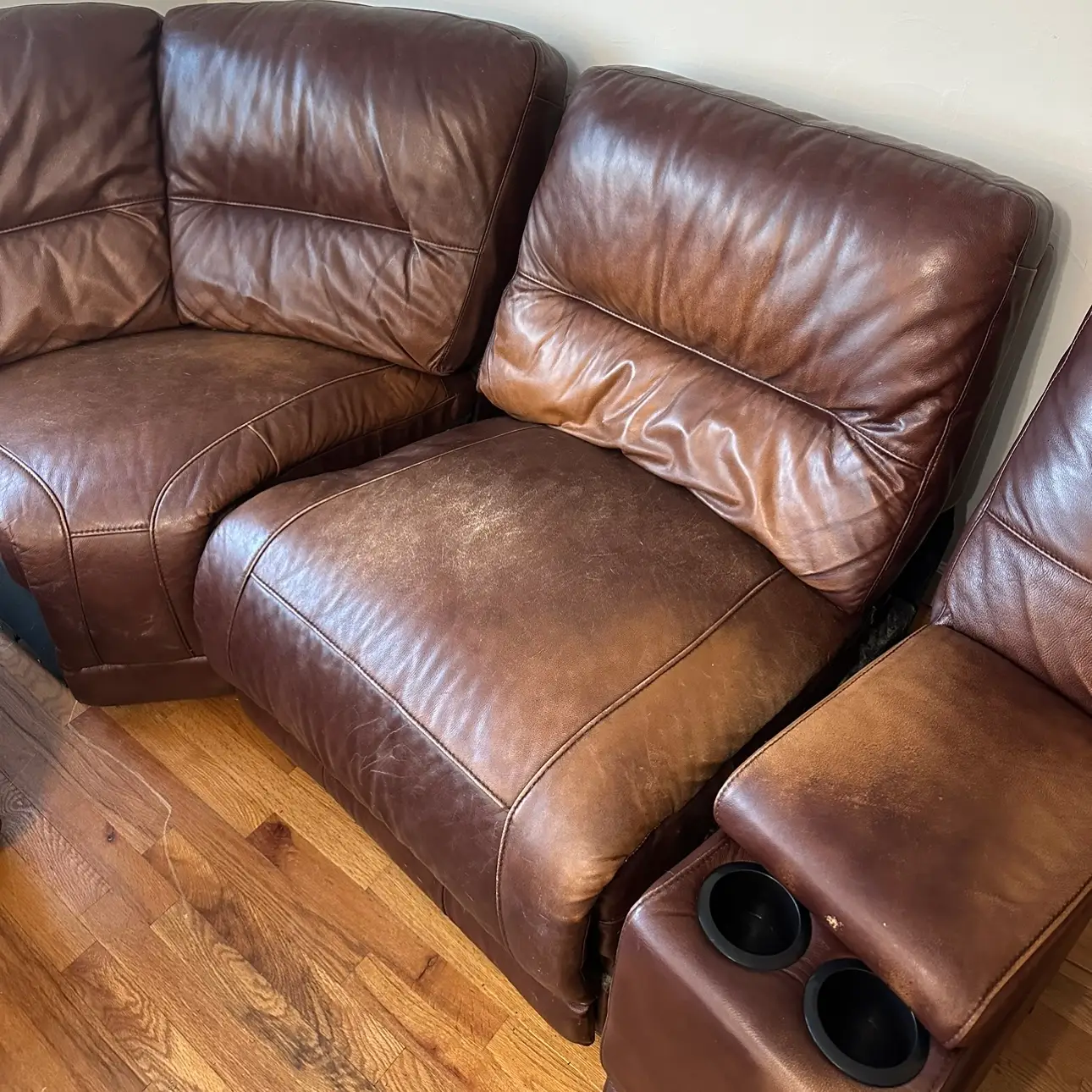
Sectional recliner restoration with mechanism and connector repair
The faded sectional recliner was restored and refinished, while the connecting hardware and reclining mechanism were repaired to improve both appearance and function.
Worn headrest repair on recliner back
The worn and stained headrest area was restored, color matched, and refinished to improve the surface and bring back a cleaner, more even look.
FAQ

Frequently Asked Questions

Common questions related to leather recliner repair, evaluation, comfort issues, and how different solutions are chosen.

What types of recliners do you work on?
We commonly work on leather manual recliners, power recliners, oversized recliners, and other high-use reclining seating made of leather or vinyl.
Can one recliner project include more than one service?
Yes. A single recliner project may involve surface repair, color work, cushion refilling, seam correction, mechanism-related repair, or re-upholstery depending on the condition of the piece.
Can you repair both the leather damage and the reclining function?
In many cases, yes. Some recliners need both cosmetic restoration and function-related repair when the seating surfaces are worn and the recline mechanism or connecting hardware is also affected.
How do I know if recliner repair or re-upholstery is the better option?
That depends on how widespread the damage is, how strong the material still is, and whether the issue is mostly surface-level, support-related, mechanism-related, or deeper in the upholstery build.
Can you help with sagging recliner cushions and worn seating on the same piece?
In many cases, yes. Recliner projects often involve more than one correction when the goal is to improve both comfort and appearance at the same time.

Get a Free Quick Quote by Photo